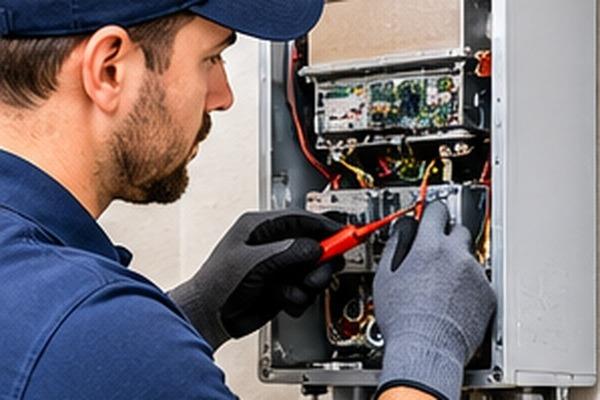
Why Your Water Heater Pilot Light Keeps Going Out in Denver (And How to Fix It)
You follow the printed lighting instructions on the side of your gas water heater, hold down the control knob, click the piezo spark igniter, and see a crisp little blue flame flicker to life. You hold the knob down for a full 60 seconds just as instructed. But the second you release your thumb, the flame immediately vanishes with an audible click.
Or perhaps your pilot light catches and stays lit for a day or two, only to mysteriously go out again by the time you wake up the next morning.
A water heater pilot light that refuses to stay lit is one of the most common service calls handled by licensed plumbers across Denver, [Arvada](/service-areas/arvada/), [Thornton](/service-areas/thornton/), and [Westminster](/service-areas/westminster/). In this practical homeowner's guide, we explain the mechanics of gas ignition, why pilot lights go out, how to relight them safely, and when a worn component requires professional replacement.
How the Pilot Light Safety System Works
Natural gas is an exceptional, cost-effective fuel, but raw unburned gas escaping into an enclosed basement creates an extreme explosion hazard. To prevent gas leaks, modern water heaters incorporate an ingenious thermoelectric safety system:
- **The Standing Pilot**: A tiny, continuous gas flame burns at the pilot burner bracket.
- **The Thermocouple Probe**: Positioned directly inside the tip of the pilot flame is a thin copper-sheathed probe called a **thermocouple**.
- **The Millivolt Circuit**: The thermocouple contains two dissimilar metals welded at the tip. When heated by the pilot flame to over 600°F, it produces a small DC electrical current of approximately **25 to 35 millivolts**.
- **The Electromagnetic Safety Valve**: This millivoltage travels through a copper lead to a tiny electromagnet inside the main gas control valve. The magnet holds a spring-loaded gas valve open.
- **The Failsafe**: If the pilot flame extinguishes for any reason, the thermocouple cools down in seconds. Current drops to zero, the electromagnet releases, and a heavy spring snaps the gas supply valve shut, preventing any raw gas from escaping.
Understanding this sequence reveals why: **If your thermocouple is worn, dirty, or misaligned, the water heater will NEVER let the pilot stay lit.**
Top 5 Reasons Your Pilot Light Keeps Going Out
1. Defective or Oxidized Thermocouple (80% of Cases) Thermocouples live in a continuous direct flame. Over 4 to 7 years of constant high heat, the metal oxidizes, develops an insulating layer of soot, or burns out internally. It can no longer generate the necessary 25+ millivolts to hold the safety magnet open. When you let go of the knob, the valve snaps shut instantly.
2. Clogged Pilot Orifice Tube The pilot orifice is a tiny brass nozzle with an opening smaller than a pinhole (often 0.015 inches). Dust, lint, or tiny cobwebs pulled into the combustion chamber can restrict gas flow. A clogged orifice produces a weak, lazy yellow flame that does not get hot enough to activate the thermocouple.
3. Severe Denver Wind Gusts & Downdrafts Neighborhoods close to the foothills like [Arvada](/service-areas/arvada/) and [Lakewood](/service-areas/lakewood/) regularly experience fierce Chinook winds with gusts exceeding 50 mph. Sudden atmospheric downdrafts pushing down older metal chimney flues can literally blow out standing pilot flames. Installing an anti-downdraft B-vent cap on your roof flue resolves this problem.
4. Tripped Thermal Cut-Off (TCO) or Dirty Flame Arrestor Screen Modern water heaters feature Flammable Vapor Ignition Resistant (FVIR) designs with a fine wire mesh air intake screen on the bottom. If household dust, pet hair, or dryer lint clogs this screen, the burner suffocates from lack of oxygen. The combustion chamber overheats, tripping a fusible thermal cut-off switch that cuts off gas to the pilot.
5. Defective Gas Control Thermostat Valve If the thermocouple tests positive for strong millivoltage (above 20mV under load) and the pilot flame is sharp and blue, but the valve still snaps shut upon releasing the knob, the internal electromagnetic solenoid inside the gas control valve has failed. The gas valve must be replaced.
Safe Step-by-Step Pilot Relighting Instructions
If your pilot light has gone out, follow these instructions carefully. **If you smell natural gas (rotten egg odor) anywhere in the room, DO NOT proceed. Leave your home immediately and call Xcel Energy or 911.**
- **Wait 5 Minutes**: If you previously attempted to light the pilot, wait a full 5 minutes for any residual gas to dissipate.
- **Locate the Dial**: Turn the main temperature dial on the gas control box to the lowest setting (or "Vacation" / "Pilot").
- **Turn to PILOT**: Depress the gas knob slightly and turn it to the **"PILOT"** position.
- **Depress and Hold**: Push the knob down all the way. This manually forces the safety valve open to supply gas to the pilot burner.
- **Spark the Igniter**: While holding the knob down firmly, repeatedly click the push-button piezo spark igniter (often 3 to 5 times) while looking through the glass viewport at the base of the tank.
- **Watch for the Flame**: Once the blue pilot flame catches, **continue holding the knob down for a full 60 seconds**. This gives the thermocouple time to heat up and generate millivolts.
- **Release Slowly**: Gently release the knob. The pilot flame should remain lit.
- **Turn to ON**: Turn the knob to the "ON" position and adjust the temperature dial to your desired setting (120°F is recommended). You should hear the main burner roar to life.
When to Call Denver's Licensed Plumbing Network
If you attempt the relighting procedure twice and the pilot flame refuses to stay lit when releasing the knob, continuing to force it down is dangerous and can damage internal valve components.
Call our local dispatch team at **(456) 789-0123**. We will match you with a licensed local plumber who arrives with diagnostic millivolt meters, replacement thermocouples, and universal pilot assemblies to fix the issue safely in under an hour.
Visit our dedicated [Water Heater Pilot Light Repair](/water-heater-pilot-light-repair-denver/) page for more information on same-day service across Denver and surrounding suburbs.
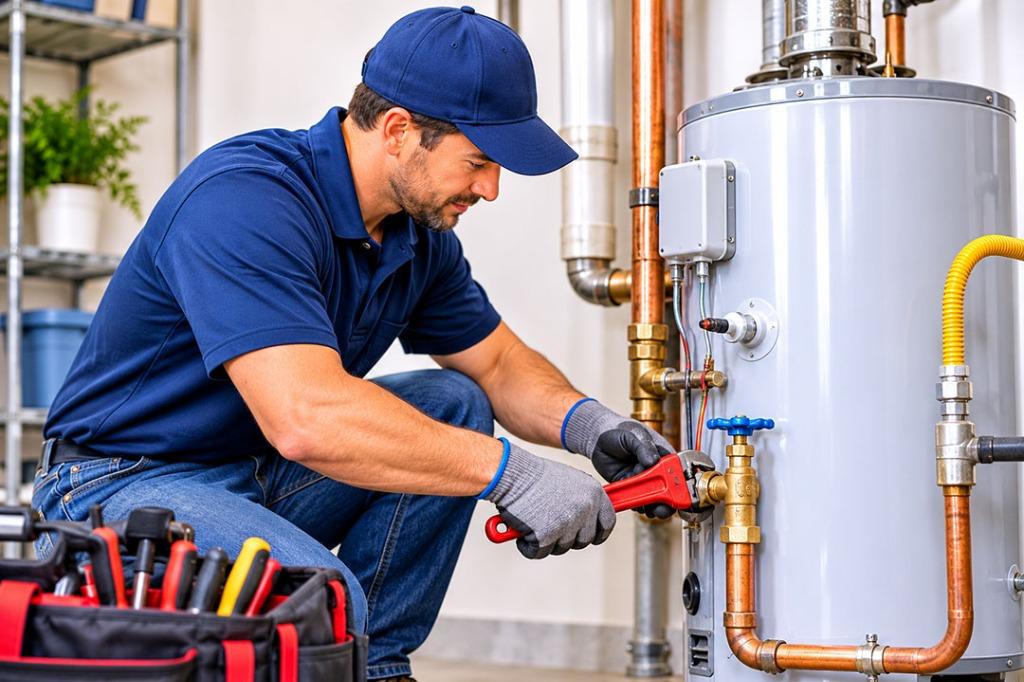
On-Site Field Testing & Diagnostic Standards
Denver plumbers verify water pressure, high-altitude gas combustion ratios, and electrical continuity before recommending part replacements. If you suspect your water heater is failing, call for an immediate on-site inspection.