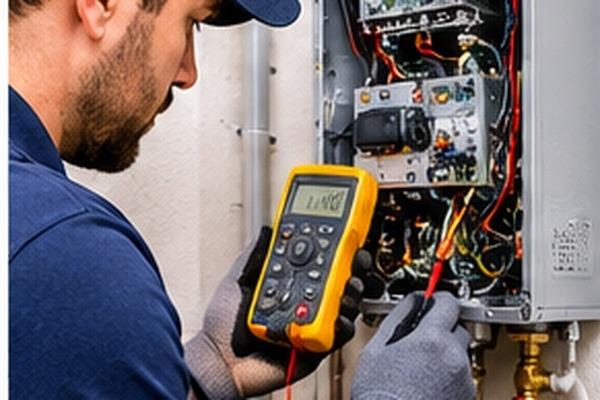
Heat Pump (Hybrid) Water Heaters in Colorado Basements and Garages
With federal Inflation Reduction Act (IRA) incentives, Colorado clean heat standards, and generous Xcel Energy utility rebates, **hybrid heat pump water heaters (HPWH)** have quickly become one of the most talked-about plumbing upgrades along the Front Range.
These systems promise up to **70% reductions in electricity usage**, cutting annual water heating costs from $600+ down to less than $200.
However, because hybrid water heaters extract thermal energy directly from the air around them, many Colorado homeowners wonder: *Do they actually work in our cold climate? Can you install one in an unheated garage or a chilly basement?*
In this comprehensive guide, we examine the mechanics, optimal installation locations, temperature limits, and real-world economics of hybrid water heaters in Denver, [Centennial](/service-areas/centennial/), [Aurora](/service-areas/aurora/), and [Littleton](/service-areas/littleton/).
How a Hybrid Heat Pump Water Heater Works
A standard electric water heater relies on raw electrical resistance, heating elements like giant toaster coils submerged directly in water. This is inefficient: for every 1 unit of electricity consumed, it outputs less than 1 unit of heat (0.92 UEF).
A hybrid water heater does not generate heat directly. Instead, it features an integrated mini-heat pump compressor and evaporator fan mounted on top of a storage tank: 1. **Air Intake**: The fan pulls warm ambient air across an evaporator coil containing eco-friendly refrigerant. 2. **Heat Absorption**: The refrigerant boils into a vapor, absorbing heat from the ambient air. 3. **Compression**: A compressor pressurizes the refrigerant, elevating its temperature to over 150°F. 4. **Heat Transfer**: The hot refrigerant circulates through condenser coils wrapped around the steel tank, transferring heat into the water. 5. **Cold Air Exhaust**: The unit discharges cool, dehumidified air back into the room.
Because moving heat requires vastly less energy than creating heat, hybrid units achieve incredible efficiency ratings of **3.5 to 4.0 UEF (350% to 400% efficiency)**.
Ideal Installation Locations in Colorado
The performance of a hybrid water heater depends entirely on the environment where it sits:
1. The Winner: Unfinished Basements (The Gold Standard) An unfinished basement in Denver is the absolute ideal location for a heat pump water heater: - **Consistent Temperatures**: Basements are insulated by earth, maintaining steady temperatures between **50°F and 65°F year-round**, well within the heat pump's high-efficiency operating envelope. - **Free Dehumidification**: Basements are naturally humid. The hybrid unit removes 2 to 4 pints of moisture per day, keeping your basement dry and reducing the load on secondary dehumidifiers. - **Adequate Air Volume**: Hybrid units require at least **700 to 1,000 cubic feet of open airspace** (approx. 10x10 ft room) to draw sufficient thermal energy.
2. The Conditional Option: Attached Garages Can you install a hybrid in a garage in [Aurora](/service-areas/aurora/) or [Highlands Ranch](/service-areas/highlands-ranch/)? - **Spring, Summer & Fall**: Performance is phenomenal, utilizing 70°F–90°F garage heat. - **Winter Warning**: If your garage is uninsulated and unheated, winter temperatures will plunge below 37°F. Below 37°F, heat pump operation becomes inefficient or locks out, forcing the unit to switch to expensive backup electric resistance mode. If installing in a garage, insulating garage walls and doors is strongly recommended.
3. The Challenging Option: Small Utility Closets If your water heater is tucked inside a tiny 3x3 ft closet in a hallway or condo, a hybrid unit will quickly chill the small closet down to 35°F and choke on cold exhaust air. Installing in tight closets requires specialized ducting kits that channel intake and exhaust air to adjacent rooms or outdoors.
Operating Modes: How Hybrid Controls Work
Modern units (such as the Rheem ProTerra or Bradford White AeroTherm) offer selectable operating modes: - **Efficiency / Heat Pump Mode**: Uses only the heat pump compressor. Maximum energy savings (up to 70% reduction). - **Hybrid Mode (Recommended)**: Runs the heat pump primarily, but automatically energizes upper and lower electric elements when household demand spikes (e.g., three people showering consecutively). - **Electric / High Demand Mode**: Bypasses the heat pump, running purely on 4500W electric elements. Fast recovery, standard electric energy use. - **Vacation Mode**: Drops water temperature to 60°F while you are away, consuming virtually zero energy.
Colorado Financial Incentives: Making the Numbers Work
While a hybrid water heater carries a higher initial purchase price than a basic electric tank, Colorado homeowners can stack incredible incentives:
| Incentive Source | Benefit Amount | Details |
|---|---|---|
| Federal IRA Tax Credit (Section 25C) | Up to $2,000 | 30% of project cost credited on federal taxes |
| Xcel Energy Colorado Rebate | $600 – $1,200 | Direct cash rebate on qualifying ENERGY STAR units |
| Colorado Clean Heat Incentives | $500 – $1,000 | State utility electrification rebates |
| Annual Electric Bill Savings | $330 – $450 / Year | Lower monthly kilowatt-hour consumption |
In many cases, stacked rebates reduce the net out-of-pocket cost of a premium hybrid water heater to less than a basic standard electric tank!
Maintenance Requirements for Hybrid Units
Because hybrid water heaters incorporate refrigeration technology, routine care differs slightly from standard tanks: 1. **Clean Air Filter Every 2–3 Months**: A washable screen filter on top catches dust and pet hair. Rinsing it takes 60 seconds. 2. **Inspect Condensate Drain Line**: Ensure the clear vinyl condensate tube is draining freely to a floor drain or condensate pump. 3. **Annual Tank Flush**: Sediment flushing is still required on the storage tank bottom.
For service or diagnostics, visit our [Hybrid Water Heater Repair](/hybrid-water-heater-repair-denver/) page.
Freeze Protection and Airflow Calculation Formula
To confirm your mechanical room has sufficient airflow volume for a heat pump water heater, apply this simple cubic footage formula:
$$ ext{Required Air Volume} = ext{Room Length (ft)} imes ext{Room Width (ft)} imes ext{Ceiling Height (ft)} ge 700 ext{ cu ft}$$
For example, an 8x10 foot utility room with an 8-foot ceiling provides 640 cubic feet. While close to the threshold, pairing this space with a louvered mechanical door or installing dedicated 8-inch intake and exhaust ducting ensures the heat pump draws plenty of ambient heat and never starves for airflow during winter freeze cycles.
Is a Hybrid Water Heater Right for Your Home?
If your home currently has an electric water heater located in a basement or large utility room, upgrading to a hybrid heat pump is one of the single most profitable green energy upgrades you can make.
To verify whether your electrical panel has adequate 30-amp 240V capacity and check which local rebates apply to your address, call our Denver team at **(456) 789-0123**.
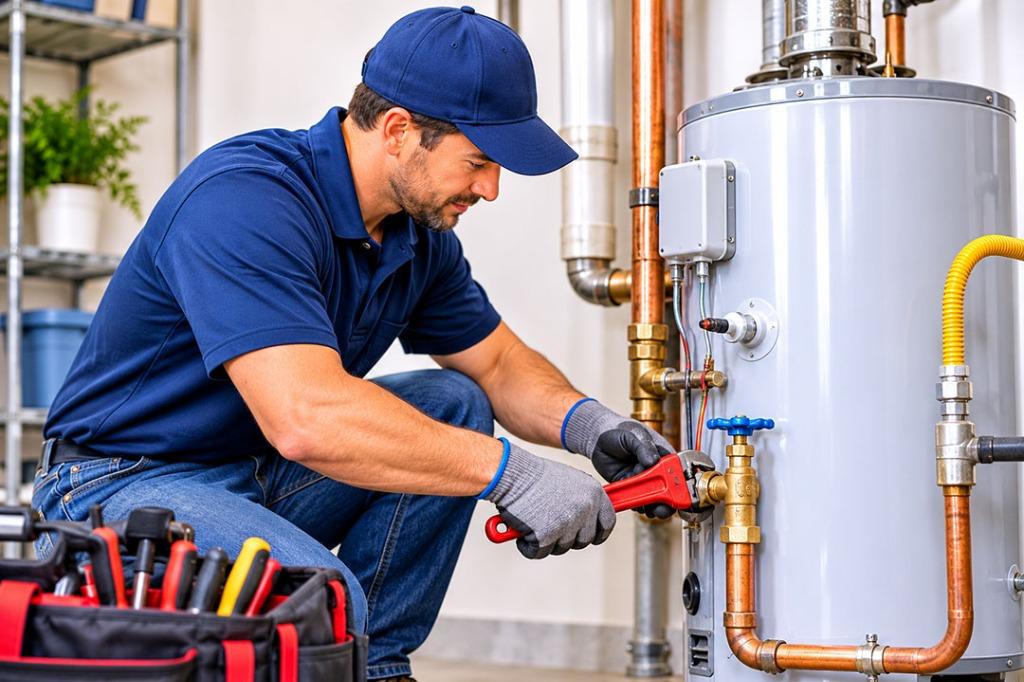
On-Site Field Testing & Diagnostic Standards
Denver plumbers verify water pressure, high-altitude gas combustion ratios, and electrical continuity before recommending part replacements. If you suspect your water heater is failing, call for an immediate on-site inspection.